Companion animal caregivers frequently postpone routine veterinary consultations under the comforting assumption that an energetic, eating pet is completely free of clinical pathology. This insidious misconception allows early chronic degenerative diseases—including asymptomatic feline chronic kidney disease, occult canine degenerative mitral valve disease, and subgingival periodontal bone resorption—to advance undetected behind stoic predatory survival facades. By the time overt behavioral symptoms such as anorexia, weight loss, or lethargy manifest, internal organ reserve is profoundly compromised, transforming preventable conditions into irreversible, life-threatening medical crises. By committing to systematic, age-stratified routine veterinary wellness examinations featuring multimodal physical triage, routine hematology, and preventative biomarker surveillance, guardians identify microscopic pathologies during initial subclinical windows, dramatically extending both lifespan and quality of life.
1. The Asymptomatic Pathology Paradox and Preventative Medicine Foundations
Domestic dogs and cats retain ancestral evolutionary instincts to mask vulnerability. In the wild, displaying weakness, discomfort, or compromised mobility invites predatory attacks and social displacement. Consequently, companion animals can maintain outwardly normal behavioral routines—consuming meals, interacting with handlers, and engaging in light exercise—despite harboring advanced systemic illnesses.
This biological masking mechanism creates the Asymptomatic Pathology Paradox: by the time physical symptoms become apparent to owners at home, organ damage has frequently surpassed critical compensatory thresholds. In feline renal medicine, conventional serum creatinine concentrations only elevate above laboratory reference ranges after approximately 67% to 75% of functional nephron mass has been permanently destroyed.
Similarly, canine cardiac conditions progress through prolonged subclinical periods. Small breed dogs (such as Maltese, Cavalier King Charles Spaniels, Shih Tzus, and Poodles) exhibit an extraordinarily high prevalence of Myxomatous Mitral Valve Disease (MMVD). Even when patients remain completely asymptomatic without coughing or exercise intolerance, individuals reaching ACVIM Stage B2—characterized by an audible systolic murmur (Grade ≥ 3/6) and cardiac remodeling meeting objective cardiomegaly thresholds (thoracic radiography Vertebral Heart Score VHS > 10.5, alongside echocardiographic left atrial-to-aortic root ratio LA:Ao ≥ 1.6 and normalized left ventricular internal diameter in diastole LVIDDN ≥ 1.7)—require immediate preemptive initiation of the inodilator pimobendan. The landmark multi-center EPIC Trial (2016) demonstrated that initiating pimobendan during this asymptomatic Stage B2 prolonged the median time to congestive heart failure (CHF) or cardiac death by approximately 15 months (a 60% extension in symptom-free survival). Seeking veterinary intervention only after coughing or respiratory distress manifests means the patient has already progressed to irreversible pulmonary edema (Stage C); thus, securing the therapeutic golden window in asymptomatic Stage B2 via routine stethoscopic auscultation is the cardinal life-saving objective of regular clinical screening.
Routine veterinary wellness examinations break this diagnostic delay. Regular clinical surveillance establishes an individualized physiological baseline for each patient. By comparing serial annual or biannual biomarkers against an animal’s own youthful parameters, clinicians detect subtle longitudinal deviations—such as minor upward creatinine creep or subtle body condition score declines—that signal disease onset years before overt clinical decompensation occurs.
2. Comprehensive Physical Examination Systems: Auscultation, Palpation, and Staging
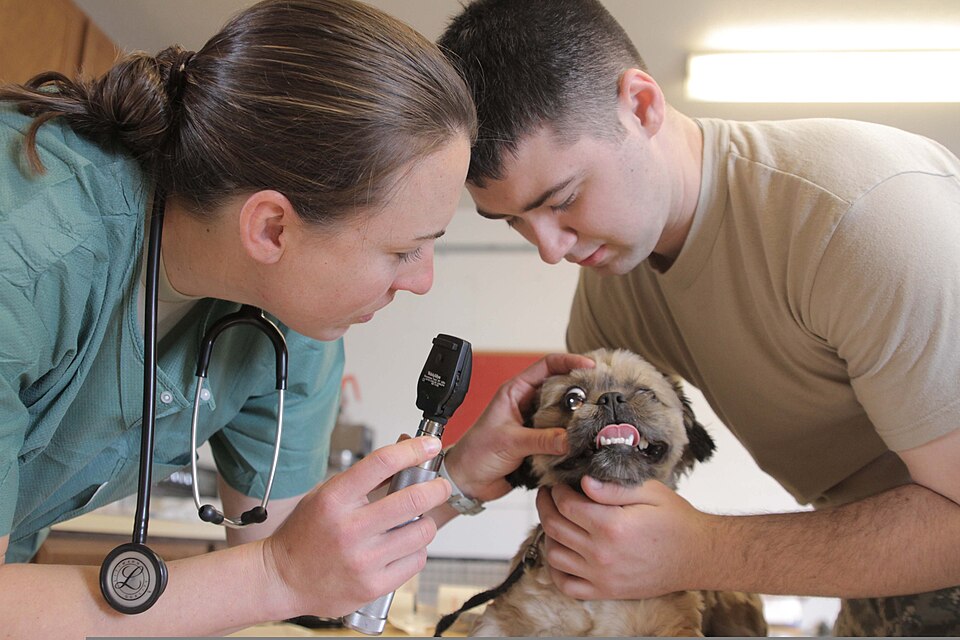
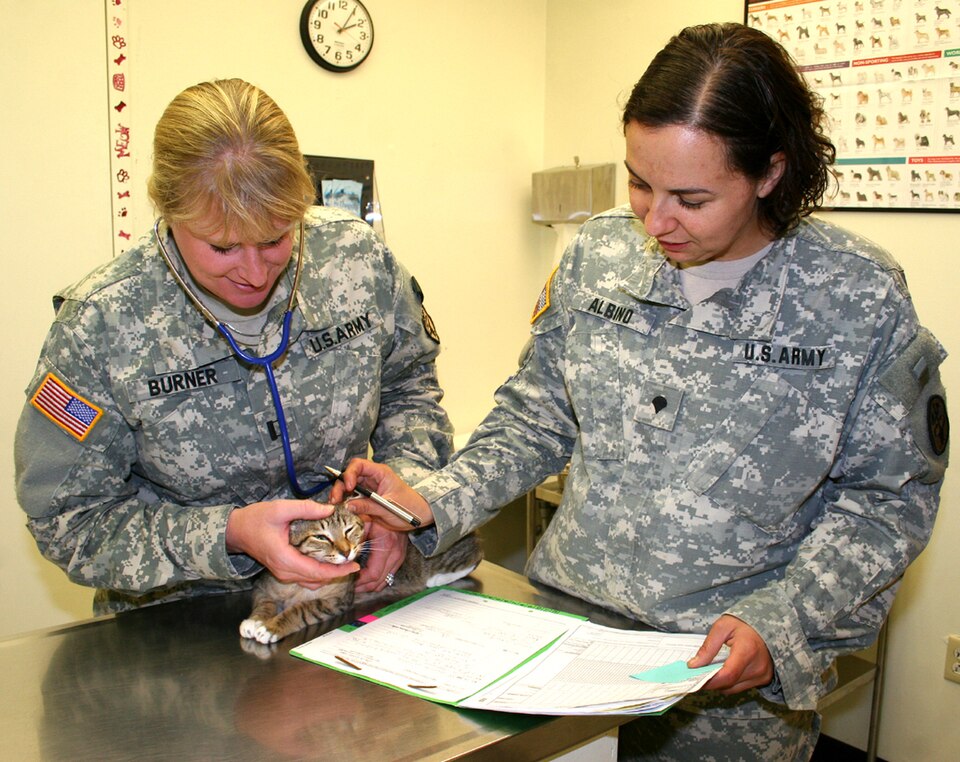
Comprehensive veterinary physical examinations evaluate cardiovascular rhythms, lymph nodes, and abdominal morphology to identify occult pathologies before symptoms emerge. A rigorous routine veterinary appointment centers upon a thorough, methodical twelve-system physical examination (PE). Every anatomical quadrant provides vital diagnostic clues that guide preventative medical decision-making:
- Cardiovascular Auscultation & Femoral Pulse Palpation: Auscultating all four cardiac valves (mitral, aortic, pulmonic, and tricuspid) evaluates heart rate, rhythm regularity, and heart sounds. Clinicians identify early systolic murmurs, gallop rhythms, and pulse deficits that indicate structural heart disease or arrhythmogenic conduction defects.
- Respiratory Triage & Pulmonary Fields: Auscultation across bilateral lung fields detects abnormal crackles, wheezes, or attenuated ventral sounds indicative of pulmonary edema, feline asthma, pleural effusion, or thoracic neoplasia.
- Abdominal Organ Palpation: Gentle bimanual palpation assesses renal symmetry and firmness, hepatic margin extensions beneath the costal arch, splenomegaly, intestinal thickening, and urinary bladder distension or urolith presence.
- Stomatological & Periodontal Staging: Oral examination evaluates gingival inflammation, calculus deposition, mucosal ulcerations, and early periodontal disease (AVDC Stages 1 through 4), protecting patients from chronic bacteremia and carnassial root abscesses.
- Orthopedic & Neurological Assessment: Conscious proprioception testing, range-of-motion manipulation, and spinal palpation reveal early coxofemoral osteoarthritis, cranial cruciate ligament laxity, or intervertebral disc degeneration.
- Integumentary & Peripheral Lymph Node Screening: Palpation of submandibular, prescapular, axillary, inguinal, and popliteal lymph nodes screens for early lymphadenopathy and cutaneous mast cell tumors.
3. Clinical Diagnostic Biomarker Matrix: Hematology, Serum Chemistry, and Urinalysis
While physical examination provides indispensable structural information, internal biochemical homeostasis requires objective laboratory surveillance. Annual diagnostic screening acts as an early-warning telemetry system:
| Diagnostic Modality | Key Biomarkers Evaluated | Target Organ / Biological System | Subclinical Clinical Indications & Value |
|---|---|---|---|
| Complete Blood Count (CBC) | Hematocrit (HCT), Platelets, WBC Differential | Bone marrow reserve, systemic vasculature | Detects non-regenerative anemia, occult bacteremia, thrombocytopenia |
| Renal Chemistry & SDMA | BUN, Creatinine, Phosphorus, SDMA | Glomerular filtration, tubular architecture | SDMA detects nephron loss at 25–40%, years before creatinine elevation |
| Hepatic Enzyme Profile | ALT, ALP, Total Bilirubin, Albumin | Hepatocellular membrane, biliary tree | Identifies subclinical microvascular dysplasia, cholangiohepatitis, Cushing’s |
| Complete Urinalysis (UA) | USG, Sediment microscopy, Proteinuria (UPC) | Renal tubular concentrating capacity, urothelium | Identifies isosthenuria (1.008–1.012), microscopic crystalluria, silent cystitis |
| Endocrine & Vector Screen | Total T4, 4Dx Plus (Heartworm/Tick-borne) | Thyroid homeostasis, cardiopulmonary vessels | Feline hyperthyroidism, canine hypothyroidism, occult Lyme / Ehrlichiosis |
Clinical Nephrology Caveat — The Early Feline Chronic Kidney Disease (CKD) Diagnostic Triad: While symmetric dimethylarginine (SDMA) offers exceptional sensitivity by detecting nephron loss at 25% to 40% reduction (years before serum creatinine climbs above reference thresholds), clinical nephrologists operating under International Renal Interest Society (IRIS) guidelines caution against diagnosing feline CKD based solely on an isolated elevated SDMA value (> 14 μg/dL). SDMA levels can exhibit transient elevations due to prerenal shifts, fluctuating hydration status, or systemic vascular tone. A definitive diagnosis of early feline CKD (IRIS Stage 1 to 2) requires concurrent validation across a diagnostic triad: (1) elevated SDMA alongside (2) inadequate urine concentrating capacity (urine specific gravity USG < 1.035 in felines, < 1.030 in canines), and (3) hemodynamic assessment confirming systemic hypertension (systolic blood pressure > 160 mmHg via Doppler sphygmomanometry) and proteinuria (urine protein-to-creatinine ratio UPC > 0.4 in felines, > 0.5 in canines). Furthermore, IRIS guidelines mandate demonstrating persistency via a recheck panel 2 to 4 weeks later before confirming diagnosis and initiating lifelong renal dietetic or pharmaceutical regimens.
4. Age-Stratified Veterinary Wellness Schedules: Pediatric to Geriatric Triage
Biological aging occurs at vastly accelerated rates in companion animals compared to humans. A canine or feline advances through the equivalent of four to seven human biological years for every twelve calendar months. Therefore, wellness exam intervals must align with physiological life stages:
| Life Stage | Biological Age Bracket | Recommended Exam Frequency | Core Clinical Interventions & Preventative Milestones |
|---|---|---|---|
| Pediatric Stage | 6 – 16 Weeks | Every 3 – 4 Weeks | Core immunization series (DHPP/FVRCP, Rabies), fecal flotation, microchip |
| Young Adult Stage | 1 – 6 Years | Annual (Every 12 Months) | Booster titers/vaccines, heartworm testing, baseline CBC/biochemistry, dental |
| Senior Stage | 7 – 10 Years | Biannual (Every 6 Months) | Comprehensive chemistry + SDMA, urinalysis, indirect blood pressure (Doppler) |
| Geriatric Stage | 11+ Years | Biannual to Quarterly | Serial chest radiographs, abdominal ultrasound, pain mobility scoring (OA) |
Veterinary Preventative Healthcare & Subclinical Organ Risk Simulator
Model human biological age equivalence, early diagnostic interception probability, and occult organ compromise risk across feline and canine life stages.
9 Years
8 Years (Senior)
16+ Years (Geriatric)
Target Detection Efficiency: ≥ 90%
38%
72%
High Risk Alert
Recommended Protocol: Biannual Consultation (Every 6 Months Mandatory)
5. Fear-Free Clinical Protocols and Low-Stress Patient Handling Strategies
A frequent justification for skipping routine veterinary visits is the severe acute anxiety exhibited by companion animals during transport and clinical confinement. However, modern veterinary medicine has revolutionized clinical visits through certified Fear-Free protocols designed to preserve emotional wellbeing while facilitating rigorous diagnostic evaluations.
Low-stress veterinary handling incorporates multimodal environmental adaptations:
- Species-Segregated Waiting Areas: Eliminating acoustic and olfactory contact between dogs and cats in reception lounges prevents predatory terror in felines and over-arousal in canines.
- Synthetic Pheromone Saturation: Examination rooms treated continuously with synthetic pheromones (Feliway Classic for felines, Adaptil for canines) down-regulate sympathetic vigilance upon room entry.
- Non-Skid Surfaces & Temperature Control: Placing rubber yoga mats or warm towels over cold stainless-steel examination tables provides secure footing, eliminating catastrophic slipping panic.
- Pre-Visit Pharmacotherapy (PVP): For patients suffering from severe situational phobias, administering low-dose neuro-modulators—such as oral Gabapentin for cats (100mg given two hours prior to carrier placement) or oral Trazodone for dogs—attenuates acute fear conditioning without impairing clinical diagnostic accuracy.
By transforming veterinary consultations into low-stress, positive-reinforcement partnerships, pet guardians ensure that preventative healthcare remains a consistent, lifelong protective pillar rather than an avoided crisis measure.